Cargo Handling Services in India: Types, Providers, and How to Choose the Right One
Cargo handling services cover everything that happens to your shipment between “it left the warehouse” and “it’s loaded onto a vessel, aircraft, or truck.” Loading, unloading, sorting, palletising, temporary storage, and documentation checks all sit under this one umbrella term, and depending on what you’re actually trying to do, that could mean looking up a definition, finding a specific provider, comparing options, or requesting a quote. This guide is structured around exactly those needs, and where relevant, points to Skyway’s own air cargo handling and ground handling operations as a live example.
What Are Cargo Handling Services?
At its core, cargo handling is an operational function, not a mode of transport. A freight forwarder decides how your cargo moves (air, sea, or road) and books the space. A cargo handling service provider is the one physically touching the cargo at each transfer point — loading it onto a truck, unloading it at a terminal, weighing it, scanning it, storing it briefly, and preparing it for the next leg.
Under India’s GST framework, this distinction matters: cargo handling is classified as a service tied to the physical movement and management of goods at a location, separate from transportation itself. That’s also why the same shipment can involve two or three different cargo handling touchpoints — at origin, at a port or airport, and again at destination — even when only one forwarder is managing the overall booking.
It’s worth knowing this meaning upfront, because most of the confusion around cargo handling comes from treating it as a synonym for shipping rather than a distinct link in the chain.
Where to Find Cargo Handling Services in India
If you already know cargo handling is what you need, the next question is usually “from where” or “from whom.” Providers fall into a few clear categories, and each one operates out of specific, named locations.
Port cargo handling services run at India’s major gateways — Nhava Sheva (JNPT), Mundra, Chennai, and Tuticorin. Container lifting, stuffing/destuffing, yard stacking, and quay-to-CFS movement happen here, typically run by terminal operators like DP World-operated terminals and CONCOR’s inland container depots. This is also where terminal handling charges (THC) get applied, so the port you’re routed through matters as much as the provider.
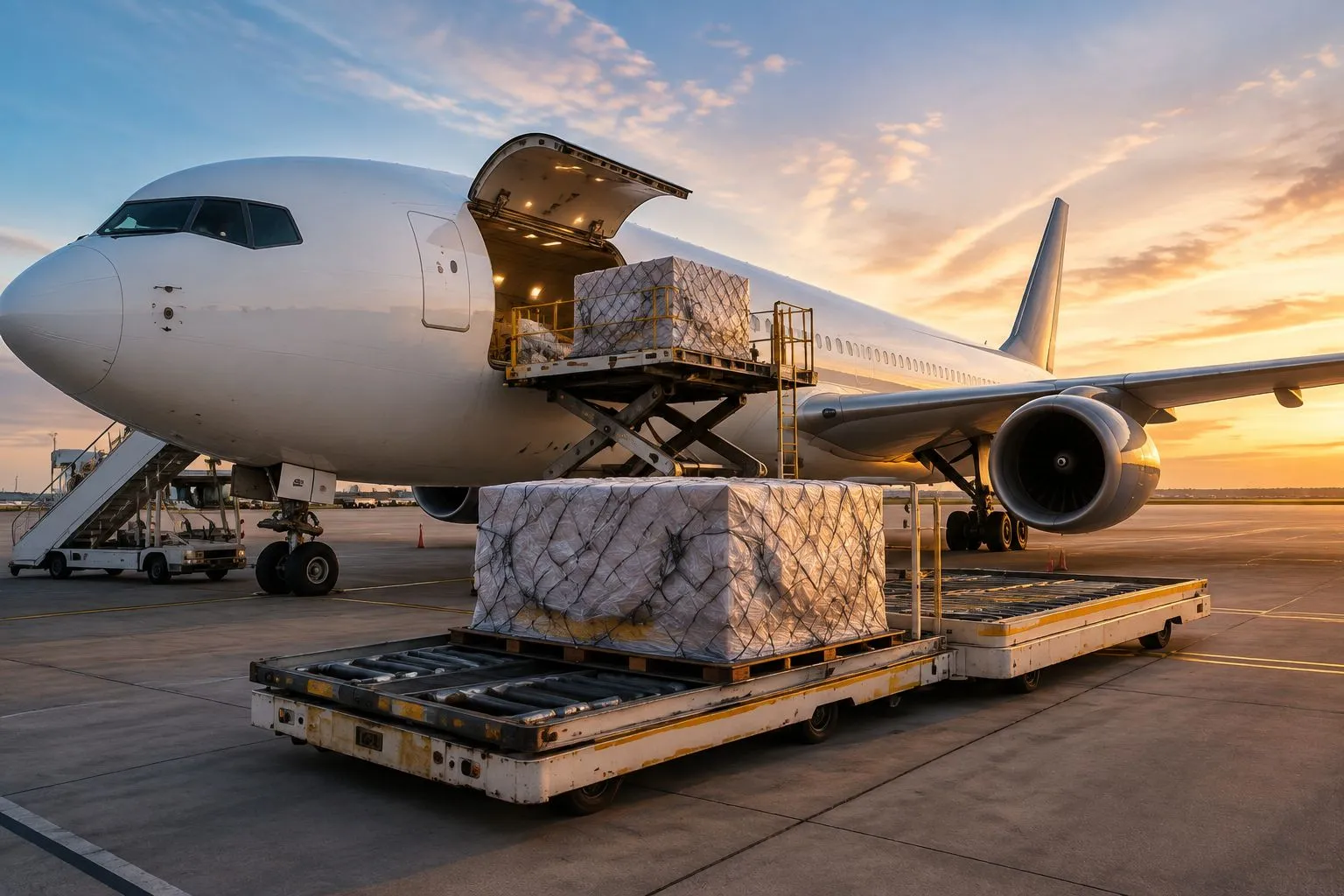
Air cargo handling services in airport settings work differently — receiving cargo at the warehouse, X-ray screening, ULD build-up for wide-body aircraft, and coordination with the airline’s load plan. If you’re specifically looking for cargo handling services in Delhi, this is the relevant category, since Delhi’s cargo activity is centred on the IGI Airport cargo terminal rather than a seaport. You’d be looking for an airport ground handler or cargo terminal operator, not a port operator.
Cargo ground handling services sit between the aircraft and the warehouse — specifically tarmac movement, hold loading/unloading, and ramp operations — usually run by licensed ground handling companies under airport authority oversight, separate from the airline itself. Skyways is one example of an air freight forwarder that coordinates directly with ground handlers on this kind of time-critical cargo.
Corporate and registered cargo handling companies, including entities incorporated specifically for this function such as Ports and Cargo Handling Services Limited, operate as standalone contracted handling providers across multiple locations, distinct from freight forwarders or shipping lines. If you’ve come across that name in a search, it refers to this category of dedicated handling company rather than a port authority or government body.
When you’re checking whether a specific provider serves your route, always confirm the exact port, airport, or ICD they operate out of — cargo handling licences and equipment are location-specific, so a company handling cargo at Chennai won’t necessarily have the same setup at Mundra or Delhi.
How to Compare and Choose a Cargo Handling Provider
Once you know which category you need, the real decision is which specific provider to use — and rate alone is a poor way to judge that, because the cheapest quote often excludes the charges that matter most.
Before signing on, check these factors:
- Turnaround and dwell time — a provider that’s slightly costlier but clears cargo faster can save more in demurrage and detention than the rate difference itself.
- Damage and pilferage record — ask for claims history, not just a verbal assurance, especially for fragile or high-value export cargo.
- Equipment and capacity — confirm they have the reach stackers, forklifts, or ULD-handling equipment your specific cargo type needs, rather than assuming general capability.
- Customs coordination — providers who work routinely with customs at a specific port or airport clear cargo faster than generalists unfamiliar with that location’s process.
- All-in cost breakdown — get handling charges, THC, storage, and documentation fees itemised separately, not bundled into one number that hides where the cost is coming from.
For export cargo specifically, also confirm the provider handles pre-shipment inspection support and packing verification against buyer specifications — this is one of the most common points where export shipments get delayed at Indian ports and airports.
A simple way to shortlist two or three providers: request their standard rate card, ask for average dwell/turnaround time on your specific cargo type over the last quarter, and confirm free storage days before demurrage kicks in. That comparison tells you more than any headline rate, and it also surfaces whether a provider is genuinely equipped for your cargo type or just quoting a generic number.
It also helps to weigh port-based and airport-based options against each other rather than defaulting to whichever is closer to your factory. A provider with slightly higher THC but faster customs turnaround at a specific port can beat a cheaper airport handler if your cargo isn’t genuinely time-critical — and the reverse is true for perishables or high-value express shipments, where the extra cost of air cargo handling is easily justified by the days saved. Match the provider category to the cargo’s actual urgency, not just the mode you’ve used before.
How to Request a Cargo Handling Quote
Once you’ve shortlisted a provider, requesting an accurate quote is faster if you have the following ready: cargo type and commodity/HS code, gross weight and dimensions (CBM), origin and destination points, expected volume/frequency, and your required cut-off or transit window.
Sharing this upfront rather than a generic “need cargo handling” request typically gets you a firm, itemised quote instead of a rough estimate that changes later. If air cargo handling is what you need, Skyways’ air freight services page has the details on how they handle this end-to-end.
Quick Check: Cargo Handling vs. Service Tax
Cargo handling and GTA (freight) are billed under separate GST heads. If your invoice bundles “handling” and “freight” into one line, ask your provider to split it and confirm classification with your CA.
Frequently Asked Questions
1. What is the meaning of cargo handling services? Cargo handling services refer to the physical handling of goods during transit — loading, unloading, storage, sorting, and documentation — at ports, airports, or warehouses, as distinct from the transportation of goods itself.
2. What are Ports and Cargo Handling Services Limited? It’s an example of a registered corporate entity offering cargo handling as a standalone service across locations, separate from freight forwarding or shipping line operations.
3. Where can I find cargo handling services in Delhi? Delhi’s cargo handling activity is centred on the IGI Airport cargo terminal rather than a seaport, so you’d be looking for an airport ground handler or cargo terminal operator — such as forwarders coordinating through Skyways — rather than a port-based provider.
4. How do I choose a reliable cargo handling provider? Compare turnaround/dwell time, damage and pilferage history, equipment suitability for your cargo type, customs coordination experience at your specific port or airport, and an itemised all-in cost breakdown — not just the headline rate.
5. How much do cargo handling services cost in India? Costs vary by cargo type, location, and handling complexity. Typical components include terminal handling charges, storage/dwell fees, and documentation charges, so always request an itemised breakdown rather than one bundled figure.
6. Is cargo handling service taxed differently from freight (GTA) under GST? Yes, cargo handling and goods transport agency services are classified separately under GST, and their applicable rates and reverse charge treatment can be confirmed with a tax professional.
7. What information do I need to request a cargo handling quote? Cargo type/HS code, gross weight and dimensions, origin and destination, expected volume or frequency, and your required cut-off or transit window — sharing these upfront gets you a firm quote, for instance through Skyways’ air freight page.